LinkedIn can work well for a B2B small business, but only when the content feels useful to the people you want to reach. Posting company news once a month is rarely enough. Sending cold sales messages to strangers is not a content strategy either.
A better approach is to use LinkedIn as a place to show how you think, explain customer problems, share proof, and start relevant conversations. This guide gives you a practical organic LinkedIn marketing plan for a small B2B business. It is designed for consultants, agencies, software firms, professional services, local B2B providers, and small teams that need a clear system.
LinkedIn Marketing Solutions provides official resources for company pages, organic content, and paid campaigns. LinkedIn also recommends building an organic presence before relying only on paid reach. The steps below focus on the organic side first.
Define who the business needs to reach
“B2B audience” is too broad. A useful LinkedIn plan starts with a narrow customer profile.
Write down:
- Industry
- Company size
- Job role
- Common business problem
- Trigger that makes the problem urgent
- What a good solution looks like
For example, a cybersecurity consultant might serve operations managers at 20-to-100-person professional firms. Their main problem may be weak access control and poor staff security habits. The trigger could be a client security questionnaire or a recent phishing incident.
That is much more useful than targeting “business owners.” It gives the content a clear reader.
Choose one main outcome for 90 days
LinkedIn activity becomes easier to judge when you pick one business outcome.
Examples include:
- Book qualified discovery calls.
- Build awareness in one industry.
- Support a founder’s expert reputation.
- Drive registrations for a webinar.
- Grow a useful newsletter.
- Recruit partners or referral sources.
Do not use follower count as the only goal. A small audience with the right people can be more useful than a large audience with little business fit.
Fix the company page before increasing posting
When a post earns attention, many people click through to the company or founder profile. That page should quickly explain what the business does and who it helps.
Company page checklist
- Use a clear logo and cover image.
- Write a short description in plain language.
- Name the main customer group.
- Explain the core service or product.
- Add the correct website link.
- Complete location and industry details.
- Keep contact information current.
A vague line such as “We empower digital transformation through innovative solutions” says little. “We help regional accounting firms secure Microsoft 365 and train staff against phishing” is much clearer.
Use founder profiles and company pages for different jobs
People often engage more naturally with people than with logos. That does not make the company page useless. The two can work together.
| Channel | Best use |
|---|---|
| Founder or expert profile | Point of view, lessons, practical advice, conversations |
| Company page | Brand proof, team updates, case studies, jobs, resources, announcements |
A founder can explain a customer lesson in a personal post. The company page can publish the full case study. Each piece supports the other without copying the exact text.
Create four B2B content pillars
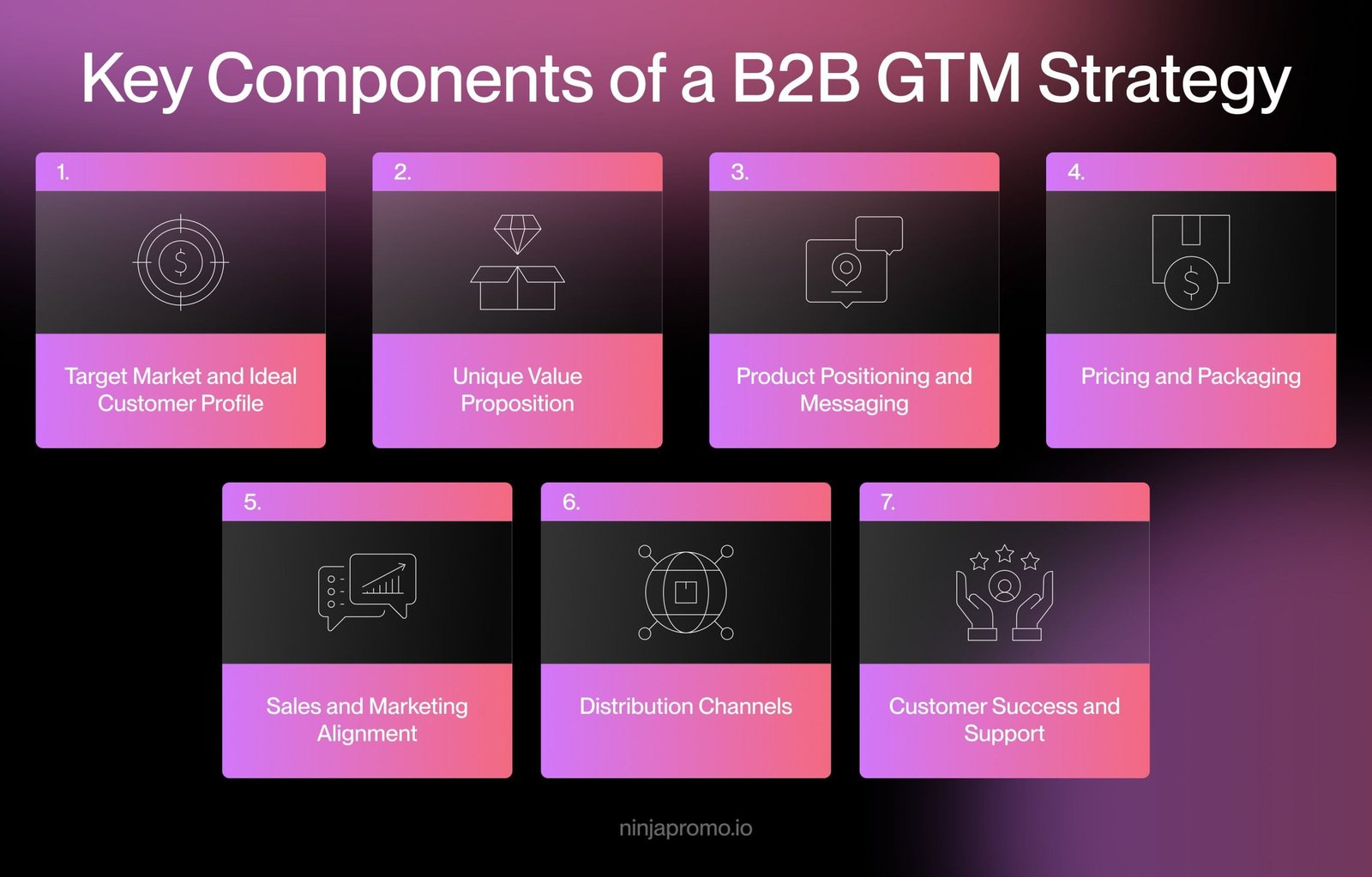
A simple content system needs repeatable themes. Four pillars are enough for most small teams.
1. Customer problem
Explain one problem your target buyer faces. Focus on symptoms, causes, trade-offs, and practical fixes.
2. Process and expertise
Show how the work gets done. Explain a checklist, decision, framework, tool, or process.
3. Proof and lessons
Share results, case examples, project lessons, or mistakes. Protect customer privacy when needed.
4. Market perspective
Comment on a relevant change in your industry. Add a useful point of view rather than reposting news with one sentence.
Build posts from real sales questions
The best B2B content often comes from sales conversations. Keep a shared document of questions prospects ask.
Examples:
- How long does implementation take?
- What will our team need to change?
- What does this usually cost?
- When should we use an agency instead of hiring?
- How do we measure results?
- What can go wrong?
Each question can become a post. The answer should help even if the reader never becomes a customer.
Use a simple B2B post structure
LinkedIn posts need a clear opening because readers scan quickly. A useful structure has four parts.
- Problem: state the issue in one or two lines.
- Context: explain why it happens.
- Useful answer: give steps, examples, or a lesson.
- Conversation: end with a relevant question or next action.
Example for an HR consultant
Problem: “A long hiring process does not always mean your team needs more interview stages.”
Context: Explain that unclear role ownership can cause delays between stages.
Useful answer: Give three steps: assign one decision owner, set feedback deadlines, and remove interviews that do not change the decision.
Conversation: Ask which stage causes the most delay in the reader’s hiring process.
Write posts that sound like a person
B2B does not mean formal and stiff. Write in the same clear language you would use with a good customer.
Avoid phrases such as “unlock synergies,” “game-changing solution,” or “revolutionary ecosystem” unless they have a precise meaning. Plain language is easier to trust.
Make one point per post
Do not squeeze an entire white paper into 300 words. A post can answer one question well and link to a deeper guide when needed.
Use documents and carousels for practical frameworks
Document-style posts can work well for checklists, short frameworks, templates, and step-by-step explanations.
For example, a bookkeeping company could make a short document called “Month-End Close Checklist for a 10-Person Agency.” Each page can cover one step. The final page can point to a longer website guide.
Use large text, simple layouts, and one idea per slide. Do not fill slides with paragraphs that are hard to read on a phone.
Use video when seeing the person or process adds value
Video is useful when tone, demonstration, or a visual example matters. It does not need to be highly produced.
A software consultant could record a short screen example showing a common reporting mistake. A commercial contractor could explain one safety check on site. A lawyer can explain a general process without giving case-specific legal advice.
Use captions when possible. Many people watch with sound off.
Turn case studies into credible content
Case studies can build trust when they explain the problem and process, not only the result.
A strong case study outline
- Customer situation
- Problem
- Constraints
- What was changed
- Why that approach was chosen
- Result
- Lesson
Use exact numbers only when they are real and approved for use. If details are confidential, describe the situation without inventing metrics.
Share lessons from work that did not go perfectly
Useful business content does not need to present every project as flawless. A careful lesson can feel more credible.
For example, an agency might explain why a landing page test failed because the team changed the offer and audience at the same time. The lesson is to isolate major variables when possible.
Do not blame a customer or reveal private information. Focus on what your team learned and what others can apply.
Comment before you expect people to comment on you
Organic LinkedIn growth is not only about publishing. Useful comments can put your ideas in front of relevant people.
A better comment routine
- Follow customers, partners, industry experts, and relevant organizations.
- Read the post before responding.
- Add one useful point, example, or question.
- Do not turn every comment into a pitch.
“Great post” adds little. A short comment that explains how the issue appears in a specific industry can start a real conversation.
Build a weekly LinkedIn workflow
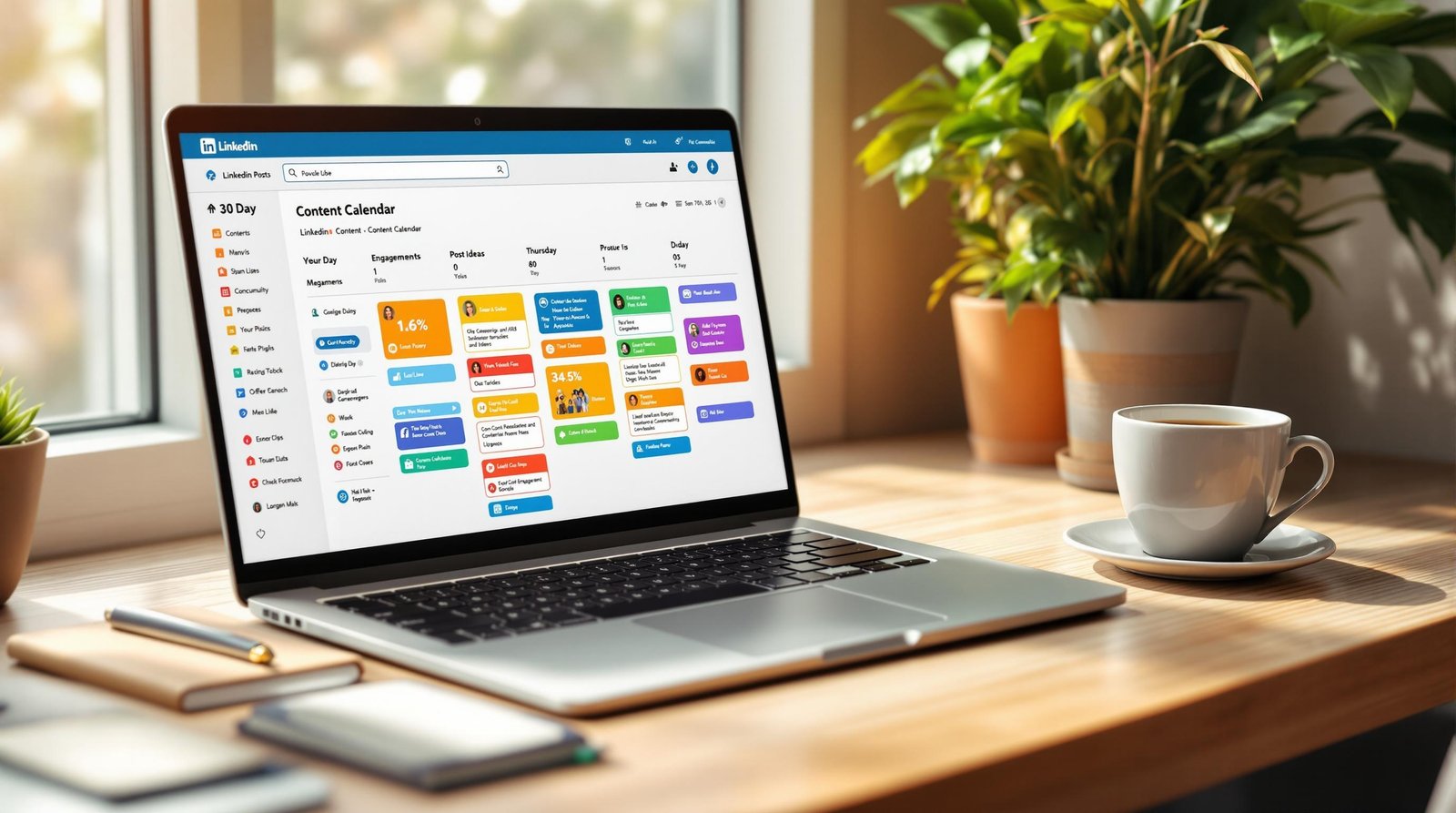
A small team can use a simple schedule:
| Day | Action |
|---|---|
| Monday | Post one practical lesson or framework |
| Tuesday | Leave useful comments on five relevant posts |
| Wednesday | Publish a case example, document, or short video |
| Thursday | Reply to comments and save questions for future content |
| Friday | Post a point of view, FAQ, or weekly lesson |
If three posts per week are too much, use two. The quality of the ideas matters more than filling a calendar.
Create a 30-minute idea capture system
Once a week, ask sales, support, and delivery teams for useful questions or stories. Capture them in one document.
Use five columns:
- Customer question
- Who asked it
- Why it matters
- Best content format
- Proof or example available
This keeps content tied to real work instead of random inspiration.
Use direct messages carefully
A direct message is useful when there is a real reason to continue a conversation. It should not be an automated pitch sent to every new connection.
A natural message sequence
If someone comments on a post and asks for a checklist, send the checklist. If they ask a follow-up question, answer it. If the conversation shows a real business need, then a call may make sense.
Do not pretend a sales message is a networking message. Clear intent builds more trust.
Connect content to a useful website destination
Not every LinkedIn post needs a link, but your profile and company page should lead interested people to useful next steps.
Create strong website pages for common needs:
- Service overview
- Case studies
- Pricing approach
- FAQ
- Booking or contact page
- Detailed guides
Good LinkedIn content can start interest. The website should help the prospect evaluate the business in more depth.
Measure the right B2B LinkedIn metrics
Likes are visible, but they are not the only useful signal.
| Goal | Metrics to watch |
|---|---|
| Awareness | Relevant impressions, follower quality, profile views |
| Trust | Saves, thoughtful comments, repeat engagement |
| Traffic | Website visits from LinkedIn |
| Pipeline | Qualified inquiries, booked calls, opportunities |
| Partnerships | Introductions, referral conversations, partner leads |
Use campaign tracking on important links so you can separate LinkedIn traffic in analytics. Ask new leads how they found you. Small B2B sales often involve several touchpoints.
Review content by business relevance, not only reach
A post with 2,000 views from the right industry may be more useful than a post with 50,000 views from a broad audience.
At the end of each month, review:
- Which topics attracted target buyers?
- Which posts led to profile views?
- Which posts started qualified messages?
- Which formats were easiest to produce well?
- Which questions should become deeper website articles?
Keep a simple note of what you learned. Build the next month from evidence.
Use organic content to improve paid campaigns later
If you decide to advertise, organic content can help identify messages that already resonate. LinkedIn Ads can extend reach, but paid distribution does not fix a weak message.
A practical approach is to test ideas organically first. If a clear post earns strong engagement from the right audience, you can adapt the idea into a sponsored format. Keep the business goal and landing page in mind.
Common LinkedIn marketing mistakes
Writing only about the company
Customers care about their problem. Company news can be useful, but it should not make up the whole feed.
Posting broad motivational advice
General inspiration may earn reactions but does not always show why the business is useful. Add specific experience, examples, or practical guidance.
Copying the founder’s personal post to the company page
Adapt the idea. The founder can tell the personal lesson. The company page can share the process, case study, or resource.
Automating connection messages at scale
Generic outreach can damage trust. Use automation carefully and keep real conversations human.
Giving up after a few weeks
B2B trust often grows slowly. Review quality and business relevance over a longer period than one viral post.
LinkedIn marketing checklist for a small B2B team
- Define one clear buyer profile.
- Choose one 90-day business outcome.
- Complete the company page.
- Use founder and company content for different jobs.
- Create four content pillars.
- Collect real sales questions every week.
- Publish two or three useful posts per week if sustainable.
- Leave thoughtful comments on relevant posts.
- Use proof and examples instead of vague claims.
- Track qualified conversations and leads.
Frequently asked questions
How often should a B2B company post on LinkedIn?
Start with a pace you can maintain, such as two or three useful posts per week. A smaller number of strong posts is better than daily filler.
Should a company page or founder profile be the main channel?
Use both when possible. Founder profiles are useful for personal expertise and conversation. Company pages are useful for brand proof, resources, team updates, and formal company information.
Do hashtags matter on LinkedIn?
Use a few relevant topic labels when they fit, but do not treat hashtags as the core strategy. Clear content, relevance, and conversation matter more.
Should every LinkedIn post link to the website?
No. Some posts can stand on their own. Link when the reader needs a deeper resource, case study, booking page, or other useful next step.
Can LinkedIn work for a local B2B business?
Yes. A local commercial cleaner, accountant, IT provider, recruiter, or contractor can use LinkedIn to reach business owners and managers in a defined area. Keep examples and connections relevant to that local market.
Conclusion: earn attention by being useful
LinkedIn marketing works best when a small B2B business stops treating the platform as a company notice board. Define the buyer. Answer real questions. Show how the work gets done. Share proof. Join relevant conversations. Make it easy for an interested person to understand the next step.
Use a simple weekly rhythm for at least a few months. Measure qualified conversations, traffic, and business opportunities alongside reach. When content reflects real customer problems and real experience, it becomes easier to create and more useful to the people you want to reach.